Split systems do not need regassing as routine maintenance. At Denali Air Conditioning, we get this question from Nowra and Shoalhaven homeowners all the time, usually once their split system has stopped blowing cold air the way it used to. Refrigerant runs in a sealed loop and does not get used up, so if a system is low on gas, something has let it escape. This guide explains why split systems lose refrigerant, the signs of a leak to look for, and what a proper repair involves.
Key Takeaways
- A split system is a sealed, closed-loop system. Refrigerant is not fuel, so a healthy split system does not need regular regassing.
- If your air conditioner is low on refrigerant, there is a leak or fault that needs to be found and repaired before any gas is added.
- Common signs of a refrigerant leak include weaker cooling or heating, ice on the indoor coil or pipes, hissing sounds, oily marks on joints and higher power bills.
- Topping up gas without fixing the leak is a short-term fix that wastes refrigerant and harms the environment.
- Denali Air Conditioning's licensed technicians handle leak detection, repair and recharging across Nowra and the Shoalhaven. Call 0480 170 143.
How Split System Air Conditioners Use Refrigerant
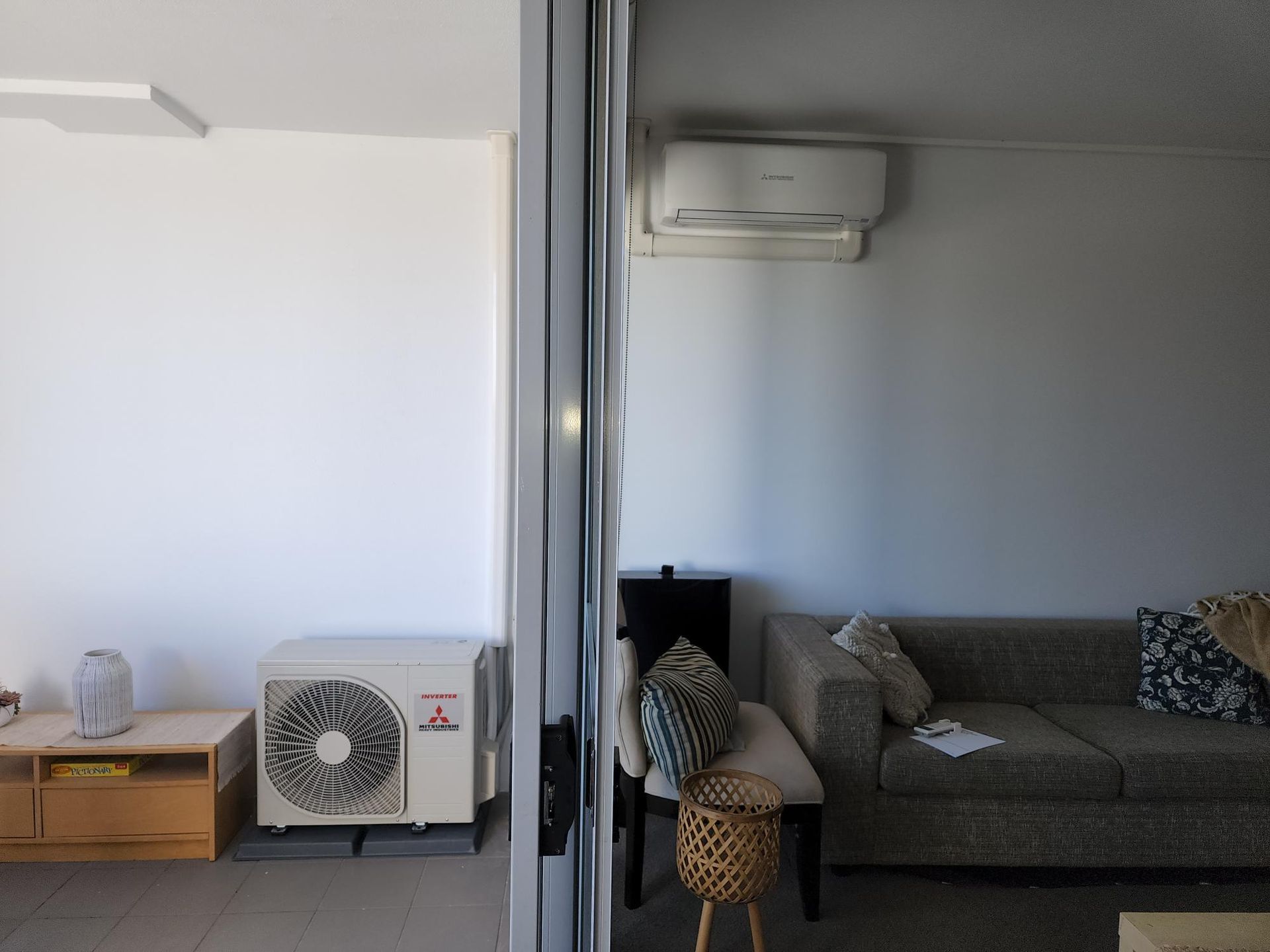
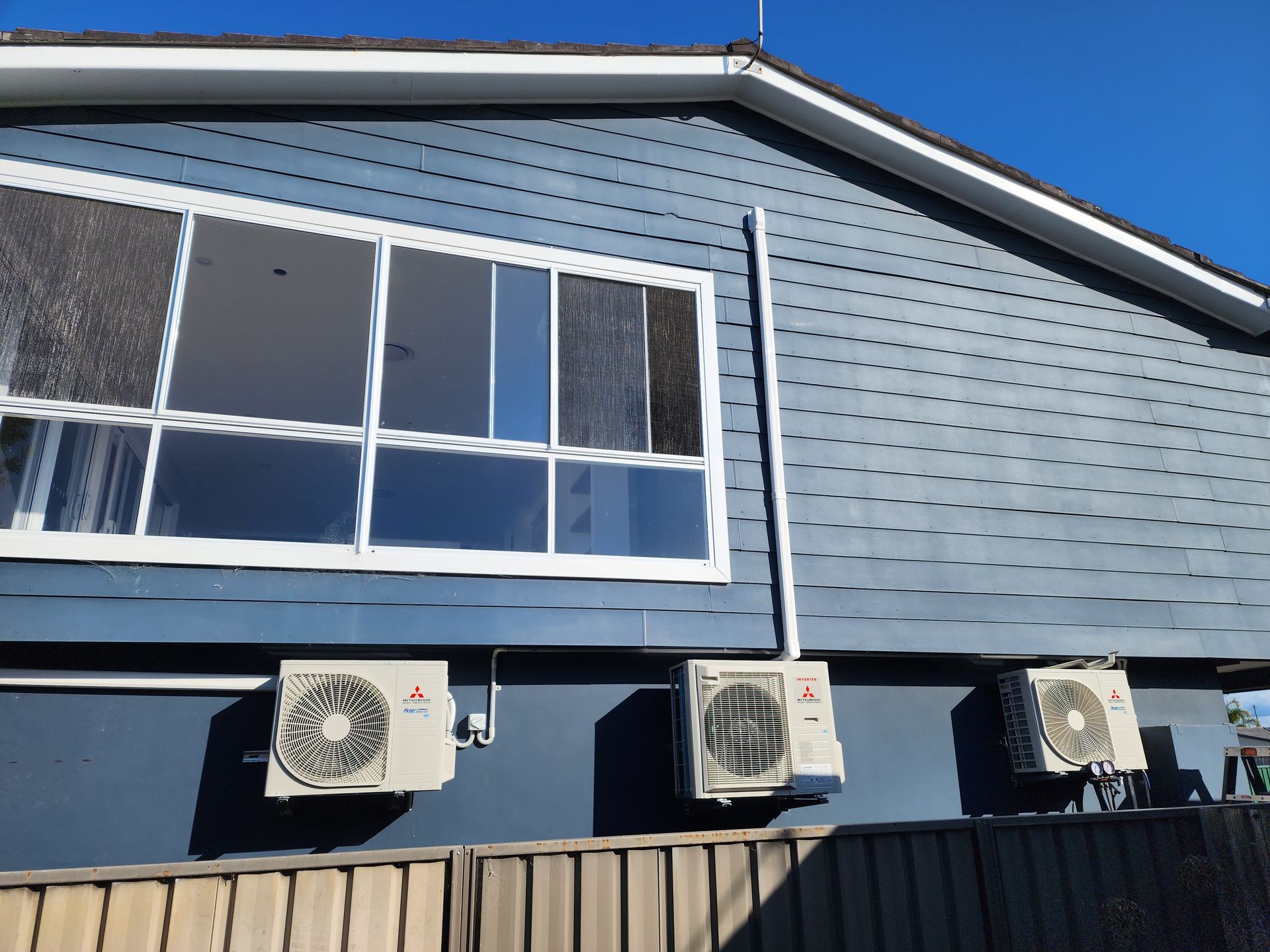
A split system cools your home by moving heat. At Denali Air Conditioning, we explain it to Nowra homeowners like this: the refrigerant absorbs heat from your indoor air at the indoor coil (the evaporator), carries it through the refrigerant lines to the outdoor unit, and releases it through the condenser coil. In heating mode, a reverse cycle system runs the same process the other way.
The refrigerant changes between liquid and gas as it absorbs and releases heat, cycling continuously between the indoor and outdoor units. Older units may run on R22, while most newer systems use R32 or R410A. The principle is the same for all of them.
Because the system is sealed at installation, the refrigerant charge should stay the same for the life of the unit. Nothing burns and nothing is consumed. The correct charge matters for three reasons:
- It protects the compressor, the most expensive part of the system
- It keeps the system running efficiently on hot Shoalhaven days
- It lets the unit pull moisture out of the air, which matters in our humid coastal summers
Do Split Systems Actually Need Regassing?
No. A correctly installed, healthy split system should never need a routine regas. At Denali Air Conditioning, we treat low refrigerant in any Nowra home as a symptom, not a service item, because refrigerant only goes missing when it has escaped through a leak or fault.
A regas adds refrigerant to a sealed system. If the seal is broken, the new gas escapes again, sometimes within weeks. Regular top-ups without finding the cause are not a fix, and refrigerant work in Australia has to be done by a licensed technician, with any gas removed from the system properly recovered.
A regas is the right step in two situations:
- After a leak has been found and repaired
- After major components such as a coil, pipework or compressor have been replaced
Our technicians always find the cause of refrigerant loss before adding any gas.
Common Causes of Refrigerant Loss in Split Systems
Most refrigerant leaks we find in Shoalhaven split systems come down to five causes. At Denali Air Conditioning, we see how the coastal climate around Nowra, Huskisson, Vincentia and Culburra Beach speeds up some of these.
- Age-related wear. Copper coils, flare joints and service valves wear with years of heating and cooling cycles. Pinhole leaks are common in older units, particularly where copper pipework has thinned.
- Corrosion. Salt-laden coastal air attacks condenser fins, brazed joints and copper tubing. A hidden form called formicary corrosion can create tiny holes inside coils, causing leaks in systems that are otherwise mechanically sound.
- Vibration. Constant vibration can loosen fittings over time, especially if pipe brackets or the outdoor unit mounting are not properly secured.
- Poor installation. Badly made flares, over-tightened or under-tightened joints, kinked copper and damaged insulation are common weak points. A careful installation reduces the risk of leaks later.
- Physical damage. Knocks during renovations, items leaning on pipework, or lines rubbing against walls can crack pipes or fittings.
Signs Your Split System May Have a Refrigerant Leak
A refrigerant leak usually shows up as weaker performance before anyone suspects gas. Denali Air Conditioning recommends Nowra and Bomaderry homeowners watch for these signs:
- Reduced cooling. The system runs longer, struggles on hot summer days or never reaches the set temperature. The air from the indoor unit feels only mildly cool, and it gets worse over weeks or months.
- Ice or frost. Ice on the indoor coil, frost on the refrigerant pipes, or an icy build-up behind the front cover of the indoor unit can point to low refrigerant.
- Unusual noises. Hissing near joints or valves, or bubbling and gurgling from the indoor or outdoor unit, can mean gas is escaping under pressure.
- Higher power bills. A system low on refrigerant works harder and runs longer to compensate, so bills go up while comfort goes down.
- Oil marks. Oily residue on flare joints, valves or around the outdoor unit is a strong sign of a leak, because compressor oil escapes along with the refrigerant.
- Sticky, humid rooms. Low refrigerant reduces the system's ability to remove moisture, so rooms can feel clammy even with the unit running.
Some of these signs overlap with other faults. Our guide to the signs your air conditioner needs repair covers the wider list.
Why "Just Regassing" Is a Short-Term Fix
A regas without a leak repair is like pumping up a tyre with a nail still in it. At Denali Air Conditioning, we regularly see Shoalhaven systems that have been topped up several times, with the same leak still there each time.
Repeatedly regassing a leaking system causes three problems:
- Equipment damage. Running low on refrigerant between top-ups stresses the compressor, can freeze the indoor coil and shortens the life of the unit.
- Wasted money. You pay for gas that escapes again, and the underlying damage usually leads to bigger repairs later.
- Environmental harm. Refrigerants are potent greenhouse gases, so every leak adds to your household's footprint.
Handling refrigerant requires a licence under Australian law, so it is never a DIY job. Our focus is proper diagnosis, leak repair and then a controlled recharge, not a quick top-up that hides the real problem. If you are weighing up whether it is worth repairing an older system at all, our article on when to repair and when to replace an air conditioner can help.
How Licensed Technicians Find and Fix Leaks
Finding the leak comes first, before any gas goes in. Denali Air Conditioning's technicians hold ARCtick Refrigerant Trading Authorisation AU54388 and NSW electrical licence 3366969C, so all refrigerant and electrical work on your system in Nowra is done legally and to standard.
A proper leak investigation typically follows these steps:
- Visual inspection of the indoor and outdoor units, pipework, insulation and joints, looking for oil marks, corrosion or physical damage.
- Leak testing with electronic detection equipment and pressure testing to pinpoint leaks in hard-to-see areas.
- Performance checks , including refrigerant pressures and temperatures across the indoor and outdoor coils.
- Repair , which may mean remaking or replacing flare joints, repairing damaged copper lines, replacing valve cores, or repairing a coil where that is practical.
- Evacuation and recharge. Once repaired, the system is placed under vacuum to remove air and moisture, then recharged with the correct refrigerant type and amount. Pressures are checked again afterwards.
Other Split System Problems That Feel Like Low Gas
Not every cooling problem is a refrigerant leak. At Denali Air Conditioning, a good share of the "low gas" calls we attend around Nowra and Sanctuary Point turn out to be one of these faults:
- Dirty filters. Blocked filters restrict airflow, reduce cooling and can even freeze the indoor coil with the correct gas charge. This is one of the most common causes of a unit not blowing cold air.
- Dirty outdoor coil. Dust, leaves and coastal grime on the condenser coil stop the unit getting rid of heat, so it seems weak.
- Fan faults. A failed or slow indoor or outdoor fan motor, or blocked fan blades, reduces airflow across the coils.
- Controller or sensor problems. The wrong mode, a faulty temperature sensor or a wiring fault can stop the system working properly with no refrigerant issue at all.
Our air conditioning service in Nowra includes full fault diagnosis across all of these areas, not just a refrigerant check.
Environmental and Safety Considerations of Refrigerant Leaks
A refrigerant leak affects more than comfort. Denali Air Conditioning takes the environmental and safety side seriously on every Shoalhaven job, because the refrigerants used in split systems are strong greenhouse gases.
- Older refrigerants. CFC and HCFC refrigerants such as R22 damage the ozone layer as well as warming the climate.
- Modern refrigerants. R32 and R410A do not deplete ozone, but they still have a global warming impact when released. R32 has a lower impact than older refrigerants, which is one reason it is now common in new systems.
- Safety. The small amount of refrigerant in a home split system is unlikely to cause health problems in a well-ventilated room, but concentrated refrigerant in a confined space can displace oxygen.
Australian rules require refrigerant to be recovered, not vented, during repairs. That is why only licensed technicians can handle it. Fixing a leak properly, rather than regassing again and again, keeps your system working as designed and keeps refrigerant out of the atmosphere.
How Denali Air Conditioning Helps Nowra Homeowners
Denali Air Conditioning is a local Nowra and Shoalhaven business with over 10 years of experience with split and ducted systems. Whether it is a new system that needs commissioning or an older unit that has lost its cooling, our approach is the same: find the cause and fix it properly.
Our technicians are fully licensed for refrigerant and electrical work (ARCtick AU54388 and NSW electrical licence 3366969C). For refrigerant problems, we offer:
- Leak detection and repair of refrigerant pipework and coils where repair is viable
- Fan and electrical fault diagnosis
- Correct system recharge after repair, using the right refrigerant for your system
- Regular servicing to catch dirty coils, blocked filters and small leaks before they become bigger problems
We offer free, no-obligation quotes. If your split system has stopped cooling as it should, you can hear hissing, or you suspect a leak, call Denali Air Conditioning on 0480 170 143.
FAQs: Split System Regassing and Refrigerant Leaks
How often should a split system be checked for refrigerant leaks?
Refrigerant should never need a routine top-up, but a professional service once a year is a good time to check refrigerant pressures and look for early signs of a leak. Systems that work hard through Shoalhaven summers or sit in salty coastal air around Huskisson and Callala Bay can benefit from more frequent checks. Catching a small leak early is far cheaper than dealing with a failed compressor.
Can I use DIY products to seal a refrigerant leak in my air conditioner?
We don't recommend it. DIY sealants can contaminate the system, damage components and make proper leak detection harder later, and handling refrigerant without a licence isn't legal in Australia. The right approach is to have a licensed technician find and repair the leak. The dangers of DIY air conditioning repair explains the risks in more detail.
Will running my air conditioner with low refrigerant damage it?
Yes. Running low on refrigerant can overheat the compressor, freeze the indoor coil and put extra wear on other components. The system also runs longer trying to reach the set temperature, which increases your power use. If you notice the signs of low gas, turn the system off and book an inspection rather than running it through a hot spell.
Is it ever better to replace the system instead of repairing a leak?
Sometimes. For an older split system with badly corroded coils or repeated leaks, replacement can make more sense than ongoing repairs. Our technicians look at the unit's age, the condition of both coils, compressor health and parts availability before recommending repair or replacement, and we will give you a free, no-obligation quote so you can compare both options.
Does a refrigerant leak affect indoor air quality?
The main effect of a leak is reduced cooling and humidity control, which can leave rooms stuffy and damp. A typical household leak is unlikely to cause serious air quality problems, but any suspected leak should be checked promptly for comfort, efficiency and safety. Call Denali Air Conditioning on 0480 170 143 and our licensed team will track it down.