Reverse cycle air conditioning is one of the most efficient ways to heat a Shoalhaven home in winter, because it moves heat into your home instead of burning fuel or running a heating element. At Denali Air Conditioning, we talk to plenty of Nowra homeowners who have been getting through winter with a bar heater or an ageing gas heater and are tired of cold rooms and rising bills. This guide explains how reverse cycle heating works, how it compares with gas and portable heaters, and how to choose the right system for your home, from Nowra to Kangaroo Valley.
Key Takeaways
- Reverse cycle air conditioning can comfortably heat Shoalhaven homes through winter, usually using less energy than portable electric heaters.
- Split systems, multi-split systems and ducted systems all use the same reverse cycle technology, sized to suit one room, several rooms or the whole house.
- Choosing the right heating capacity and a model with a strong heating energy rating is the key to good comfort and lower running costs.
- Denali Air Conditioning installs and services Daikin and Mitsubishi Heavy Industries inverter reverse cycle systems using R32 refrigerant, backed by over 10 years of local experience.
- For a free, no-obligation quote, call 0480 170 143 or see our air conditioning installation in Nowra page.
How Reverse Cycle Air Conditioning Actually Heats Your Home
A reverse cycle air conditioner is a heat pump. At Denali Air Conditioning, we explain it to Nowra homeowners simply: in winter, the system doesn't make heat by burning gas or glowing red like a bar heater. It collects heat from the outside air and moves it inside.
In heating mode, the refrigerant circuit works like this:
- The outdoor unit absorbs heat from the outside air, even on a cold morning, using refrigerant that evaporates at very low temperatures.
- The compressor raises the refrigerant's pressure and temperature, concentrating that heat.
- The hot refrigerant flows to the indoor unit, where a fan blows room air across the warm coil.
- The refrigerant returns outside and the cycle repeats.
Because the system moves heat rather than generating it, it delivers more heat energy into your home than the electricity it uses. That is why reverse cycle is regarded as one of the most energy efficient forms of electric heating for Australian homes.
The same principle applies to a wall-mounted split system, a ducted reverse cycle system or a multi-split setup. Modern inverter systems adjust compressor speed smoothly instead of switching hard on and off, which helps hold your home at a steady temperature on cold July mornings.
Reverse Cycle Heating vs Gas Heating and Portable Electric Heaters
Reverse cycle heating works differently from both gas and portable electric heaters, and that difference is where the savings come from. Denali Air Conditioning often helps Shoalhaven households compare their options:
- Gas heaters (ducted or space heaters) burn natural gas or LPG to create warmth.
- Portable electric heaters such as bar heaters, oil columns and panel heaters turn each unit of electricity into roughly one unit of heat.
- Reverse cycle systems move heat from outside, delivering more heat than the electricity they consume.
Practical advantages of reverse cycle heating include:
- No gas connection needed, so homes going all-electric can remove gas supply charges altogether
- No combustion indoors, which means no open flames, no flue and no carbon monoxide risk
- One system that heats in winter and cools in summer
- Typically lower running costs for the same warmth compared with portable electric heaters
Plenty of Shoalhaven homes still rely on older gas heating or a fan heater in the lounge room. Switching the main living areas to reverse cycle is often the first step. Gas heating can still suit some properties, but more homeowners planning long-term upgrades are choosing reverse cycle as their main winter heating.
Types of Reverse Cycle Systems: Split, Multi Split and Ducted
There are three main types of reverse cycle system, and the right one depends on whether you want to heat one room, several rooms or the whole house. Denali Air Conditioning installs all three across Nowra and the Shoalhaven.
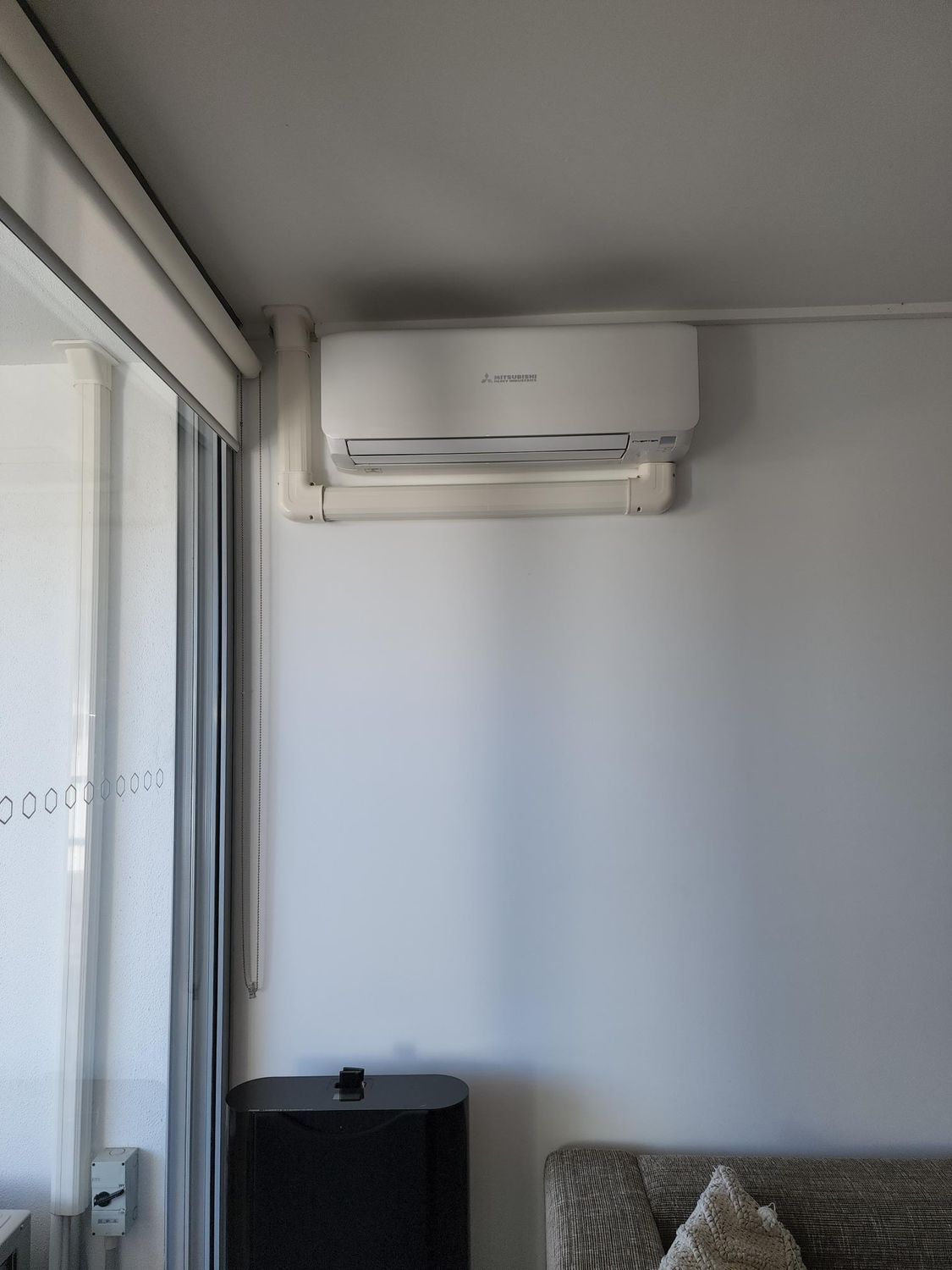
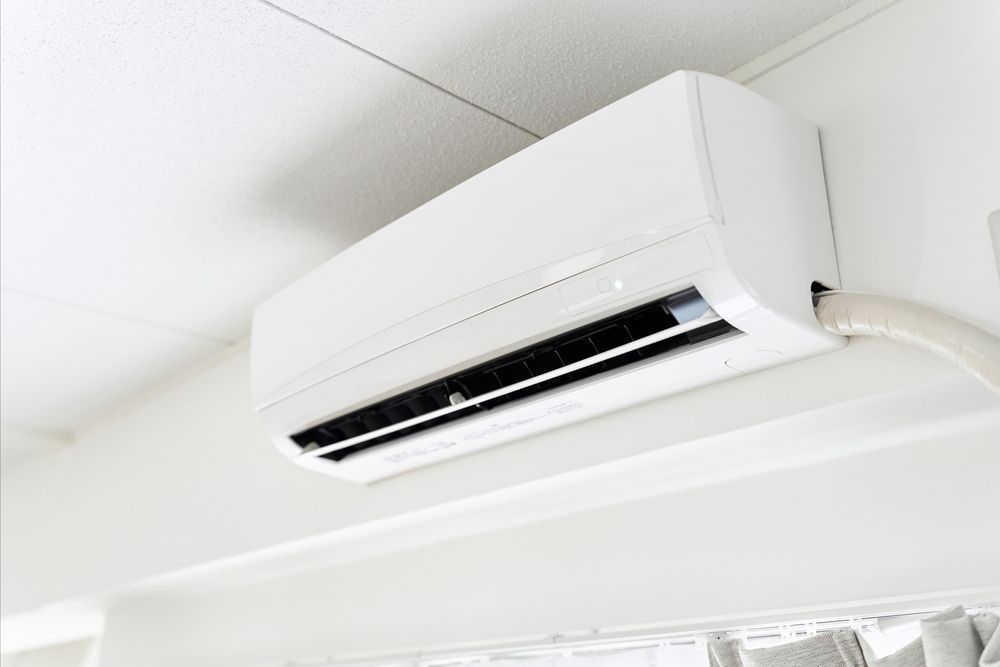
Split system: one outdoor unit connected to one indoor unit, usually wall-mounted. Split systems suit single rooms or open-plan living areas such as a combined kitchen, dining and lounge. They deliver heat straight into the room, which makes them a cost-effective choice for targeted heating.
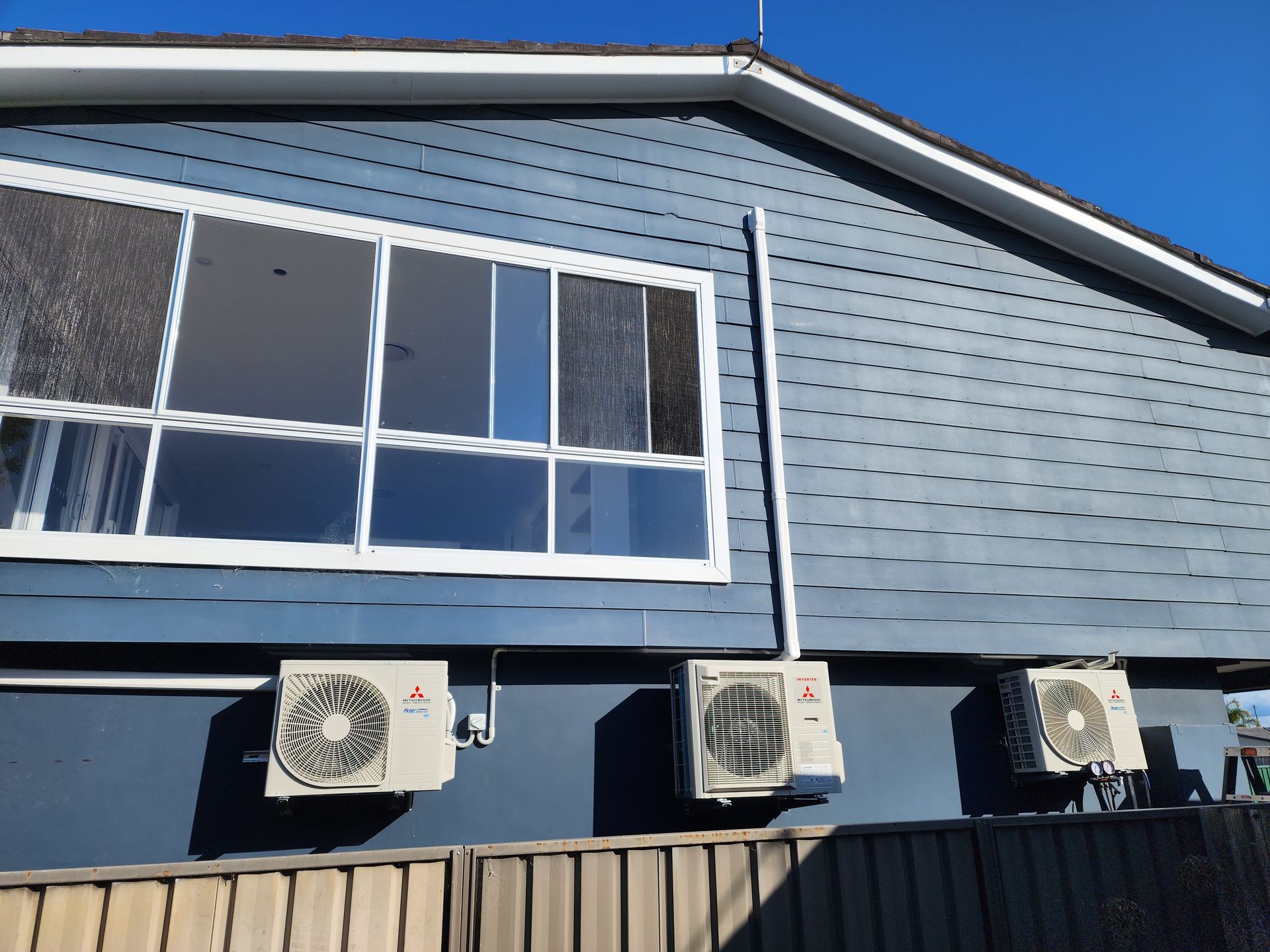
Multi-split system: one outdoor unit connected to several indoor units in different rooms. This suits homes with limited outdoor wall space, and each indoor unit can be controlled independently, so you are not heating rooms nobody is using.
Ducted reverse cycle system: one outdoor unit paired with a central indoor unit, usually in the roof space, sending warm air through ducts to ceiling vents. Ducted systems heat and cool the whole house from one installation, and zoning lets you heat only the areas you are using. For a side-by-side comparison, read our guide to split system vs ducted air conditioning.
In practice, many older homes around central Nowra and Bomaderry suit split or multi-split systems, while newer homes with accessible roof spaces are often good candidates for ducted.
Choosing the Right Size System for Shoalhaven Winters
A reverse cycle system has to be sized for heating as well as cooling. Denali Air Conditioning sizes every system in kilowatts (kW), and each unit carries separate heating and cooling capacity ratings, so the heating figure matters for winter comfort in Nowra.
Getting the size wrong causes problems either way:
- Too small: the unit runs flat out on cold August nights and still doesn't reach a comfortable temperature.
- Too large: the unit short-cycles, switching on and off frequently, which feels draughty, creates more noise and wastes energy.
The right heating capacity depends on your home, including:
- Room dimensions and ceiling height
- Insulation in the walls, ceiling and under the floor
- Window size, orientation and glazing
- Whether the space is closed off or open plan
- Exposure to coastal winds or cold inland mornings
Online calculators give a starting point, but we carry out detailed heat load calculations to get the kW sizing right. That accounts for real conditions, from sea breezes in Huskisson to colder mornings in Cambewarra and Kangaroo Valley. Our free, no-obligation quotes include a proper discussion of how each room is used.
Understanding Energy Ratings, Cooling Efficiency and Winter Performance
The energy rating label is the easiest way to compare how efficiently two reverse cycle systems will heat your home. Denali Air Conditioning recommends Shoalhaven homeowners read both sides of the label before choosing a system.
- Heating and cooling are rated separately. The Australian zoned label shows heating and cooling efficiency, plus estimated annual energy use for different climate zones.
- More stars on the heating side means less energy for the same heat. Between two units of similar capacity, the one with the higher heating rating will generally cost less to run over winter.
- Cooling still matters. Shoalhaven summers still call for strong cooling, so a good system performs well in both seasons.
- Inverters help at part load. Inverter systems from Daikin and Mitsubishi Heavy Industries run gently in mild weather instead of cycling on and off, which is where they save the most energy over older non-inverter models.
Many current Daikin and Mitsubishi Heavy Industries systems use R32 refrigerant, which has a lower environmental impact than older refrigerants such as R410A.
Reverse Cycle Heating, Carbon Footprint and Future Energy Trends
Reverse cycle heating can reduce a home's carbon footprint compared with portable electric heaters or older gas systems. At Denali Air Conditioning, we find this is increasingly part of the conversation with Nowra homeowners planning long-term upgrades.
- Because reverse cycle delivers more heat per unit of electricity than basic electric heating, it produces fewer emissions for the same warmth on the same grid.
- As more renewable energy comes into the grid, the emissions from running an efficient electric heater fall further.
- If you have rooftop solar, running your system during the day means some or all of the power comes from your own panels. Our guide to solar power at home for Nowra homeowners covers the solar side.
No heating system is zero-impact, but choosing a well-rated model and using it sensibly is one of the simplest ways for a Shoalhaven household to lower the footprint of winter heating.
Heating Strategies for One Room vs Several Rooms
The best reverse cycle setup depends on how your household uses the house in winter. Denali Air Conditioning designs systems around real routines in Nowra homes, not a one-size-fits-all layout.
One main room: a single split system can be a very efficient main heater for an open-plan living and dining area. If bedrooms only get cold overnight, a smaller unit or simply closing doors may be enough.
Several rooms in use: a multi-split system lets each indoor unit run at its own temperature and schedule, which suits families spread across a study, bedrooms and the living area.
Whole-house comfort: ducted reverse cycle suits households that want an even temperature throughout, such as families with young children or older residents who feel the cold.
A few simple habits help any setup:
- Close doors to keep warmth in the rooms you are using
- Set lower temperatures in rooms you use less
- Use timers on bedroom units so they warm the room before bedtime
Using and Maintaining Reverse Cycle Systems in Shoalhaven Winters
How you run and look after a reverse cycle system makes a real difference to winter comfort and running costs. Denali Air Conditioning services the systems we install across the Shoalhaven, and these are the tips we give Nowra homeowners.
Operating tips:
- Pick a steady, moderate temperature instead of constantly turning it up and down, so the inverter can settle at its most efficient speed.
- Angle the louvres downwards in heating mode, so warm air reaches the part of the room you are sitting in instead of rising to the ceiling.
- On cold, damp mornings the outdoor unit may pause briefly to defrost. This is normal, and heating resumes shortly after.
Homeowner maintenance:
- Clean the indoor filters regularly so airflow stays strong.
- Keep the outdoor unit clear of leaves and garden debris, and rinse off salt build-up in coastal areas such as Huskisson and Shoalhaven Heads.
- Keep return air grilles clear of furniture and curtains.
A professional service before winter, or at least once a year, keeps heating and cooling performance up over the life of the system. If your split system isn't heating properly, a service is the place to start.
Financing and Upgrade Assistance (Including NSW Home Energy Saver Loan)
Support may be available for NSW homeowners replacing older heating with reverse cycle air conditioning. Denali Air Conditioning often gets asked about this by Shoalhaven homeowners planning an upgrade.
- NSW Home Energy Saver loan. This NSW Government program, offered through Brighte, supports eligible NSW homeowners upgrading to reverse cycle systems. Eligibility and terms can change, so check the current details through official NSW Government channels before you plan around it.
- Ignore interstate rebates. Much of the rebate information online relates to other states' schemes, such as Victoria's, which don't apply to NSW residents. If you live in Nowra or the wider Shoalhaven, focus on what is available through NSW channels.
We provide clear, written, free quotes so you can compare reverse cycle heating with your current heating before committing.
Why Shoalhaven Homeowners Choose Denali Air Conditioning for Reverse Cycle Heating
Denali Air Conditioning has over 10 years of local experience with reverse cycle split systems, ducted reverse cycle and multi-split systems across Nowra and the Shoalhaven. We know local conditions, from salt air on the coast to the challenges of older homes in Bomaderry and Milton.
We install Daikin and Mitsubishi Heavy Industries inverter systems using R32 refrigerant, and when you work with us you get:
- A system designed around your home's layout, insulation and how you use each room
- Detailed heat load calculations with correct kW sizing
- Clean installations with full site cleanup
- A clear walkthrough of the controls so you get the most from your system
- Ongoing servicing and maintenance to keep it performing every season
We provide free, no-obligation quotes across the Shoalhaven, from Berry to Ulladulla. Call 0480 170 143 or visit our air conditioning installation in Nowra page to arrange an assessment.
Frequently Asked Questions About Reverse Cycle Air Conditioning for Heating
Will a reverse cycle split system still heat my home on very cold Shoalhaven mornings?
Yes. Modern reverse cycle systems from Daikin and Mitsubishi Heavy Industries are designed to keep heating in the low outdoor temperatures of a Shoalhaven winter, as long as they are correctly sized and installed. On cold, damp mornings the outdoor unit may pause briefly for a defrost cycle, which is normal. We take local winter conditions into account when recommending a model and capacity.
Is reverse cycle heating suitable for older homes with high ceilings?
Yes, with the right sizing. Older weatherboard and federation-style homes around Nowra, Bomaderry and Milton often have higher ceilings and less insulation, which increases the heating load. A correctly sized system with good airflow direction can still heat these rooms well. Running a ceiling fan on low in reverse to push warm air down, sealing draughts and improving ceiling insulation all help.
Can I use one outdoor unit to heat several rooms?
Yes. A multi-split system connects one outdoor unit to several indoor units in different rooms, which is handy where outdoor wall space is limited. Whether a multi-split or several separate split systems suits you better depends on your layout and how many rooms need heating at once. We can talk through the pros and cons during a free quote visit.
How often should I service my reverse cycle system if I use it mainly for heating?
Clean the filters yourself regularly through winter, and have the system professionally serviced at least once a year, ideally before the cold months. We can set up an ongoing maintenance plan so your split, multi-split or ducted system is ready when temperatures drop.
Can reverse cycle heating work with my existing ducted heating layout?
Sometimes. Many existing ducted heating systems in Shoalhaven homes run on gas, and the ducts can't always be reused directly. In some homes a new ducted reverse cycle system can serve similar zones or replace the old system entirely. In others, a few split systems in key rooms work better and avoid heat loss from ageing ductwork. Call Denali Air Conditioning on 0480 170 143 to book an onsite inspection and we will tell you which approach suits your home.